
Want Gentle Brightening Without Irritation? Why Has Alpha-Arbutin Become A New Choice For Sensitive Skin?
What Is Alpha-Arbutin? A Quick Science-Backed Intro
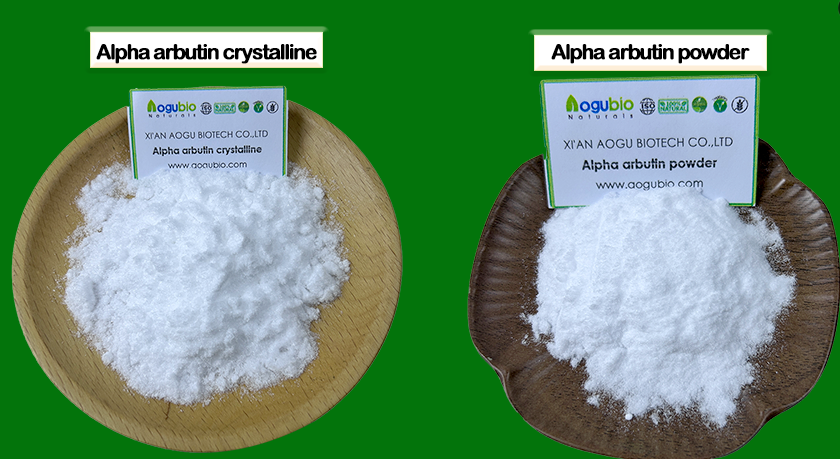
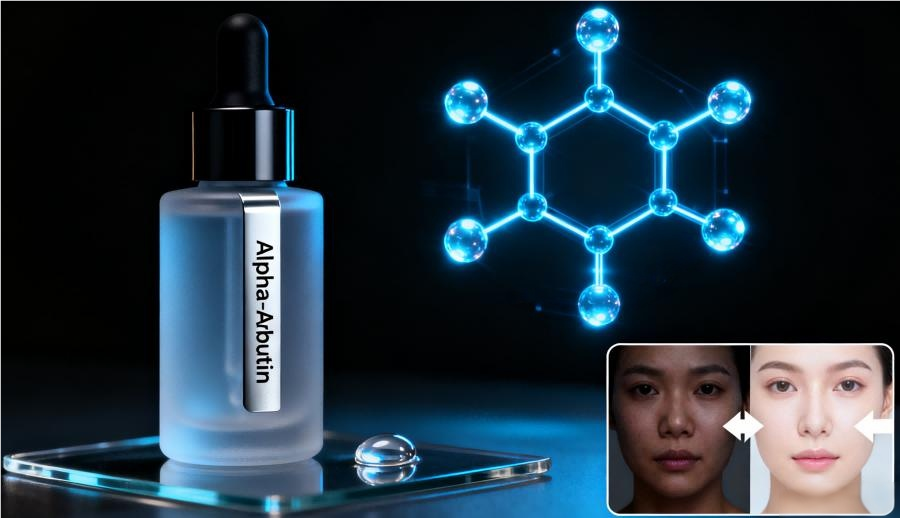
Alpha-Arbutin, chemically named 4-hydroxyphenyl-α-D-pyranoglucoside, is a melanin-regulating ingredient naturally found in bearberry leaves, wheat germ, and pear skin. Most Alpha-Arbutin used in cosmetics is biosynthetic—produced via microbial fermentation—for higher purity (often 98%+) and consistency, which avoids irritants from raw plant extracts.
Its core function targets melanin, the pigment that causes dark spots and uneven tone. Unlike harsh ingredients that “strip” or exfoliate pigment, Alpha-Arbutin works by competitively binding to tyrosinase—the enzyme that kickstarts melanin production. This slows pigment synthesis gently, without damaging healthy skin cells or disrupting the skin barrier.
Why It’s Safe For Sensitive Skin: Research-Proven Gentle Efficacy
The biggest advantage of Alpha-Arbutin for sensitive skin is its Low irritation risk, supported by decades of scientific studies. Here are key findings that confirm its safety and effectiveness:
- 1995 Study Bioscience, Biotechnology, and Biochemistry: Researchers compared Alpha-Arbutin to Beta-Arbutin (a less potent cousin) and found Alpha-Arbutin was 10x more effective at inhibiting tyrosinase in mouse melanoma cells—yet showed no cellular toxicity. This means it targets pigment without harming skin tissue.
- 2004 Study Biological and Pharmaceutical Bulletin: Human skin model tests confirmed Alpha-Arbutin reduced melanin synthesis by up to 40% over 4 weeks. Crucially, it did not trigger inflammation or damage to the stratum corneum (the skin’s protective outer layer)—a common issue with harsher brighteners.
How It Stacks Up: Beating Other Brighteners For Sensitivity
Sensitive skin often reacts poorly to popular brighteners, but Alpha-Arbutin avoids their common pitfalls:
- Compared to kojic acid: Kojic acid is effective but has a high irritation risk, often triggering redness in sensitive skin. It also breaks down quickly in sunlight, limiting use to nighttime—while Alpha-Arbutin is UV-stable and safe for daytime application.
- Compared to hydroquinone: A potent prescription brightener, hydroquinone carries risks of skin thinning and permanent discoloration with long-term use. Alpha-Arbutin never damages the skin barrier and only slows melanin production (instead of harming pigment-producing cells).
- Compared to pure vitamin C (L-AA): Vitamin C can cause dryness or stinging in sensitive skin and oxidizes quickly (losing efficacy within weeks). Alpha-Arbutin has no such stability issues and supports the skin barrier rather than drying it out.
Cosmetic Applications: Where To Find It (And How To Use It)
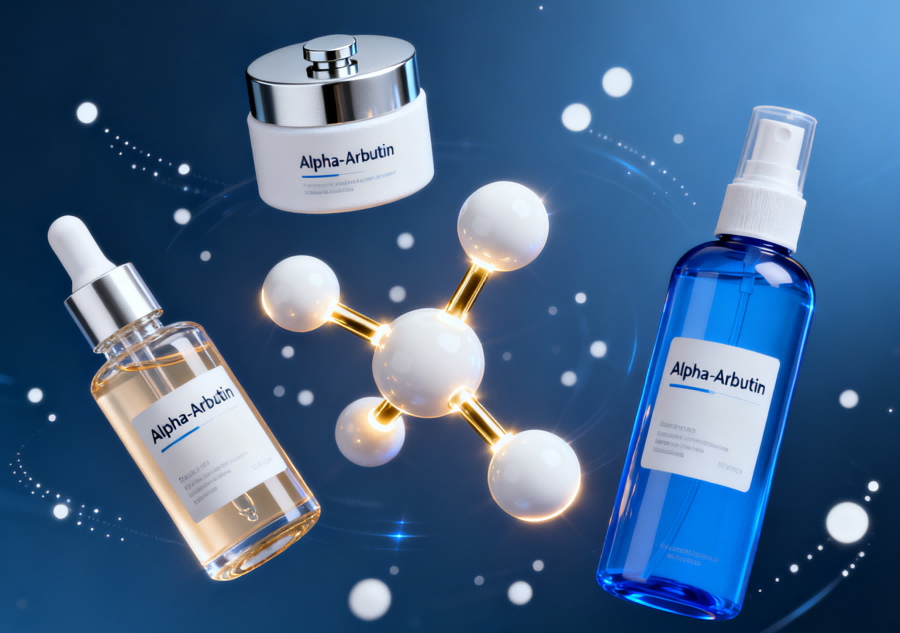
Alpha-Arbutin’s versatility makes it a staple in many sensitive-skin products. Below are its most common uses, plus tailored usage tips to maximize results without irritation:
- Serums: The Go-To For Targeted Brightening
Why it works: Serums have a lightweight, fast-absorbing texture that delivers Alpha-Arbutin directly to problem areas (like post-acne marks or sun spots). Most formulas pair it with hyaluronic acid or niacinamide to boost hydration and calm redness—doubling down on sensitive-skin benefits.
Usage Tip: Apply 2-3 drops to clean skin (after toner, before moisturizer) once daily. Start with every other day for the first week to let skin adapt—even gentle ingredients can cause mild tingling in very reactive skin. Avoid mixing with retinol or high-concentration exfoliants (like 10%+ AHAs) unless advised by a dermatologist.
- Moisturizers: Daily Brightening + Barrier Care
Why it works: Moisturizers blend Alpha-Arbutin with emollients (like ceramides or shea butter) and humectants (like glycerin), turning brightening into a nourishing step. This is ideal for sensitive skin that needs extra barrier support—you get tone-correcting benefits while preventing dryness or tightness.
Usage Tip: Choose a fragrance-free, non-comedogenic formula (to avoid clogging pores). Apply a pea-sized amount to the face and neck every morning and night. If using an Alpha-Arbutin serum too, skip the serum at night and stick to the moisturizer—overloading skin can reduce absorption.
- Sunscreens: Prevent + Correct In One Step
Why it works: Since Alpha-Arbutin is UV-stable, it’s often added to sunscreens to create a “dual-action” product. The sunscreen blocks new pigmentation from UV rays, while Alpha-Arbutin fades existing dark spots—stopping discoloration at the source and reversing past damage.
Usage Tip: Opt for a mineral sunscreen (zinc oxide/titanium dioxide) base, as mineral filters are gentler on sensitive skin than chemical filters. Reapply every 2 hours when outdoors, even on cloudy days—UV rays still penetrate clouds and can undo Alpha-Arbutin’s progress.
- Sheet Masks: Weekly Intensive Brightening
Why it works: Sheet masks use a hydrating base (like hyaluronic acid serum) to hold Alpha-Arbutin against the skin, boosting absorption. This delivers a concentrated dose of brightening ingredients without the heaviness of creams—perfect for sensitive skin that needs a quick tone boost.
Usage Tip: Use once a week after cleansing (skip toner to let the mask’s serum absorb better). Leave on for 10-15 minutes (don’t exceed 20 minutes, as this can dry out skin) and pat any leftover serum into the face. Follow with a lightweight moisturizer to lock in benefits.
Expert Tips For Sensitive Skin: Getting The Most From Alpha-Arbutin
- Patch-test first: Even with low irritation risk, apply a small amount of the product to your inner elbow or jawline. Wait 24 hours—if no redness, itching, or stinging occurs, it’s safe to use on your face.
- Pair with barrier-supporting ingredients: Look for products that combine Alpha-Arbutin with ceramides, squalane, or panthenol (vitamin B5). These ingredients strengthen the skin barrier, making it less reactive to environmental stressors.
- Be patient: Unlike harsh brighteners that cause quick (but temporary) peeling, Alpha-Arbutin works gradually. Most users see visible improvements in dark spots after 4-6 weeks of consistent use—stick to a daily routine for best results.
Market Trend: Why Brands Are Prioritizing Alpha-Arbutin
Recent data confirms Alpha-Arbutin’s growing popularity in sensitive-skin care. A 2025 analysis by Rebecca Bio (a global cosmetic ingredient research firm) found that 68% of sensitive-skin brightening serums launched in the past year included Alpha-Arbutin as a primary active—up from 42% in 2020. Dermatologists are also recommending it more frequently: a 2024 survey by the American Academy of Dermatology found that 73% of dermatologists suggest Alpha-Arbutin as a first-line treatment for sun spots in patients with reactive skin.
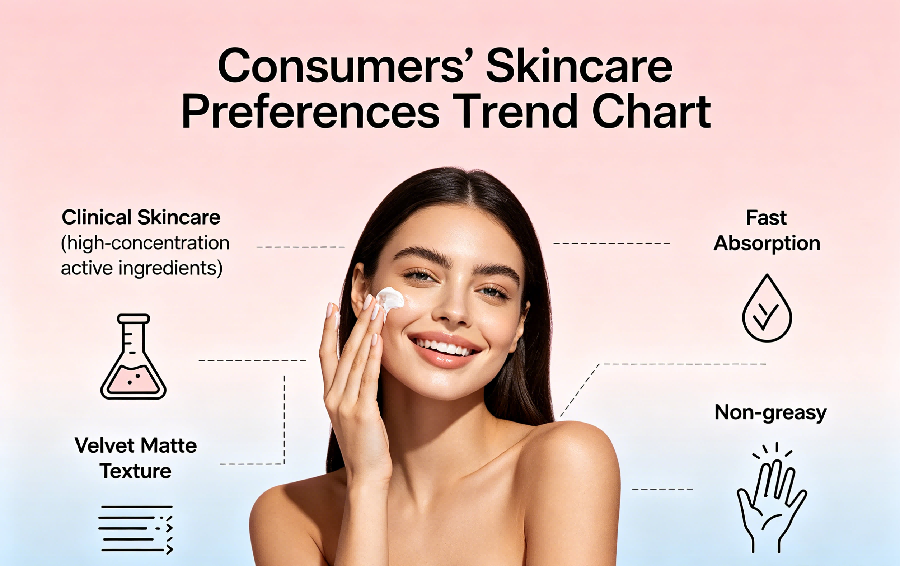
- This trend stems from consumer demand: more people are seeking “gentle efficacy”—products that work without compromising skin health. Alpha-Arbutin checks that box, offering a middle ground between ineffective mild formulas and irritating strong ones.
- For sensitive skin, the struggle to find safe, effective brighteners is real—but Alpha-Arbutin changes that. Backed by science, gentle on barriers, and versatile in products, it’s no wonder it’s become a new go-to. Whether you’re dealing with post-acne marks, sun spots, or uneven tone, Alpha-Arbutin proves sensitive skin doesn’t have to sacrifice results for comfort.
- Name: Yuki
- E-mail: sales02@nahanutri.com
- WhatsApp:+8618066950297