
Water-Soluble Jojoba Beads: The Eco-Friendly, Skin-Gentle Ingredient Reshaping the Cosmetics Industry
What Are Water-Soluble Jojoba Beads?
Water-soluble jojoba beads are specialized cosmetic ingredients extracted from the wax esters of the Simmondsia chinensis (jojoba) plant, which is native to the arid regions of North America and Mexico. Unlike traditional jojoba beads that are "Oil-soluble but not water-soluble," water-soluble jojoba beads undergo anethoxylation process—a controlled chemical treatment that modifies their molecular structure, enabling them to dissolve in aqueous (water-based) formulations. Their International Nomenclature of Cosmetic Ingredients (INCI) name is "Jojoba Wax PEG-120 Esters," essentially a Polyethylene glycol derivative of jojoba acid/alcohol with an average ethoxylation value of 120.
Its technical characteristics make it stand out:
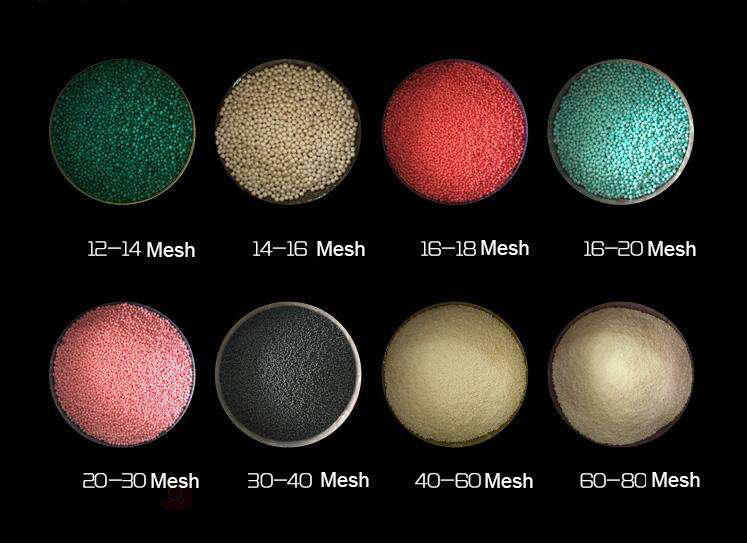
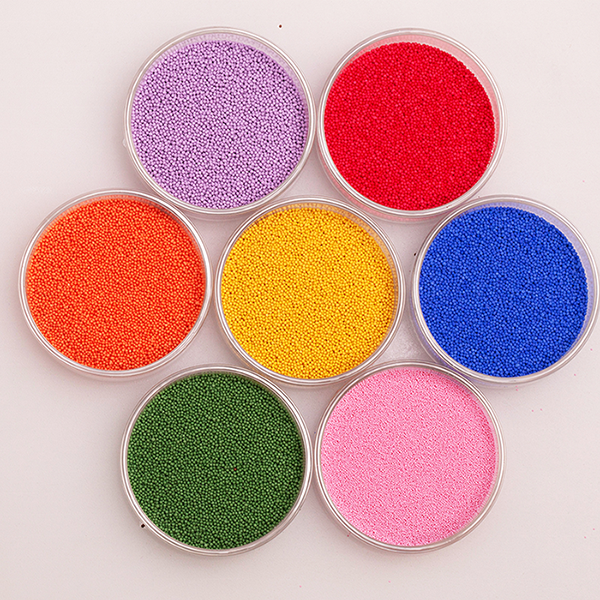
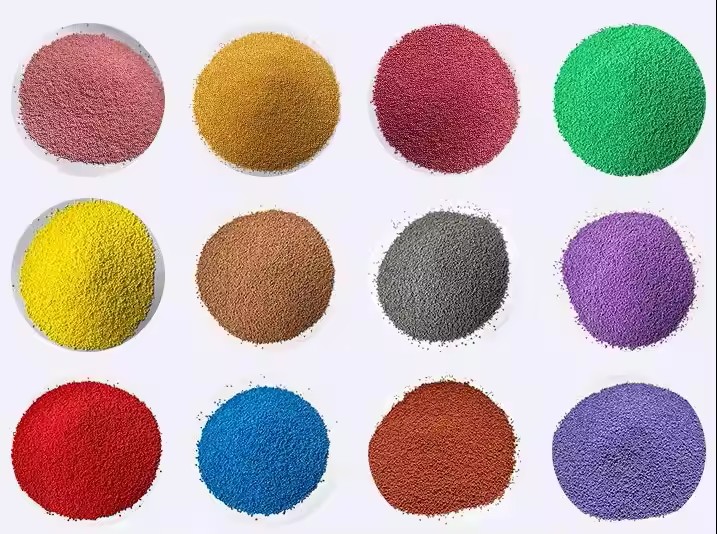
- Physical Properties: Mostly in the form of white solid flakes or spherical granules (particle size: 20-100 mesh), which can dissolve evenly in water without affecting product transparency.
- Safety Attributes: Vegan, cruelty-free, non-GMO, and with a near-neutral pH. According to the safety assessment report released by the Cosmetic Ingredient Review (CIR) in 2023, the maximum historical usage level of this ingredient in leave-on cosmetic products in China reaches 5%, and no clear skin irritation risks have been observed.
- Core Advantages: It addresses the key limitation of traditional jojoba beads—traditional beads remain solid in water-based products and require oils for dispersion; in contrast, water-soluble variants can be seamlessly integrated into toners, serums, and cleansers, significantly expanding their application scenarios.
Science-Backed Skincare and Formulation Advantages
Water-soluble jojoba beads offer dual value: they not only enhance product performance but also deliver tangible skincare benefits, both supported by scientific research on ingredients and market data.
1. Gentle Exfoliation Without Irritation Risks
While traditional jojoba beads can achieve mild physical exfoliation, water-soluble versions are further optimized—they dissolve gradually during use. Their micron-sized particles (typically 250-600 microns) can remove dead skin cells and unclog pores without scratching or damaging the skin. The 2025 Cosmetic Ingredient Analysis Report points out that their "low-irritation property" makes them suitable for all skin types, including eczema-prone sensitive skin.
From the perspective of safety data, the assessment from the U.S. Environmental Working Group (EWG) Skin Deep Database shows that this ingredient is rated "low risk" in terms of carcinogenicity, allergic and immunotoxicity, and developmental and reproductive toxicity. The only concern is potential residual contaminants such as dioxane during production, which can be controlled through standardized testing. This conclusion is consistent with the 2023 report from the Lvyi Cosmetic Safety Assessment Center, which clearly states that the ingredient meets the requirements of cosmetic safety technical specifications when used in compliance with regulations.
2. Moisturization and Skin Barrier Repair
Jojoba wax esters naturally mimic human sebum, a characteristic derived from their unique molecular structure—each chain has an unsaturated bond at the 9th carbon position from the end, endowing them with excellent biocompatibility. A 2025 study by the Open University of Israel, published in the European Polymer Journal, confirms that jojoba wax ester derivatives can penetrate the stratum corneum. By fusing with skin lipids, they reduce transepidermal water loss (TEWL), and formulations containing 0.5%-5% of this ingredient can increase skin moisture content by 13%-21%.
Through ethoxylation, water-soluble variants have improved permeability. The emollient ingredients released after dissolution can be quickly absorbed by the skin. Clinical data shows that their moisturizing effect on dry skin can last for more than 8 hours without leaving a greasy residue.
3. Environmental Sustainability and No Ecological Burden
Consistent with traditional jojoba beads, water-soluble variants are 100% biodegradable. The aforementioned study in the European Polymer Journal also reveals their potential for closed-loop recycling: they can be decomposed into carboxylic acids and alcohols through alkaline hydrolysis, and then re-polymerized into high-molecular-weight polyesters (with a molecular weight, Mw, of up to 41 kDa) via acid-catalyzed esterification, enabling the circular utilization of raw materials. This property makes them an ideal replacement for plastic microbeads (which have been banned in the EU, the U.S., and Canada), aligning with the assertion by research firm Mark Wide that "sustainable beauty is the core driver of growth for jojoba derivatives."
4. Strong Formulation Compatibility and Versatility
Cosmetic chemists highly favor these beads, primarily due to their versatility:
- Solubilizing Effect: They can dissolve essential oils in water-based products such as toners and micellar water without causing cloudiness. This performance has been verified in applications across 3 eye cream products and 2 facial moisturizer products.
- Emulsification Assistance: Acting as a secondary emulsifier, they stabilize water-in-oil (W/O) formulations such as creams and sunscreens, extending the product shelf life to over 24 months.
- Texture Enhancement: They add "smoothness" to shampoos and improve the "creamy texture" of foundations. A consumer survey conducted by a beauty brand showed that shampoos containing this ingredient scored 2.4 points higher (on a 5-point scale) in "hair smoothness" compared to ordinary products.
Common Questions About Water-Soluble Jojoba Beads
Q1: What Are the Differences Between Water-Soluble Jojoba Beads and Traditional Jojoba Beads?
The core differences lie in solubility and functional diversity: traditional jojoba beads are "oil-soluble but not water-soluble," with a melting point of 66-71℃, and their main function is physical exfoliation; water-soluble beads have a lower melting point of 58℃, can dissolve in water-based products, and offer three-in-one effects of exfoliation, moisturization, and solubilization. In terms of application scenarios, traditional beads are mostly used in scrubs, while water-soluble versions have expanded to over 10 product categories including serums and masks. For example, the sales volume of an eye serum product containing this ingredient increased by 47% year-on-year in 2024.
Q2: Are Water-Soluble Jojoba Beads Safe for Sensitive Skin?
Yes, they are safe. Their near-neutral pH, biodegradable composition, and non-abrasive dissolution property result in an exfoliation intensity rating of "Level 2/5." Toxicological data from the Lvyi Cosmetic Safety Assessment Center shows that their skin irritation test score is below 0.5 (out of a maximum of 4 points), far lower than that of apricot kernel shells and walnut shell particles (which score 1.8-2.3), making them gentle enough for daily use.
Q3: Which Cosmetic Products Use Water-Soluble Jojoba Beads?
Their application scenarios are extensive. According to statistics from the EWG Product Database:
- Skincare products: Cleansers, serums, toners, eye creams (accounting for 42%)
- Haircare products: Shampoos, conditioners, styling mousses (accounting for 31%)
- Color cosmetics: Foundations, lipsticks (accounting for 18%)
- Sunscreen products: Waterproof sunscreens (as film-forming agents, accounting for 9%)
Q4: How to Ensure the Safe and Compliant Use of Water-Soluble Jojoba Beads?
Two key points need attention: first, select raw materials that have passed CIR safety assessment and confirm they meet the requirements of the Catalogue of Used Cosmetic Ingredients (2021 Edition); second, check product test reports to ensure that contaminants such as dioxane do not exceed the standard. When stored in a cool and dry place, unopened raw materials have a shelf life of up to 24 months.
Market Growth and Future Trends of Water-Soluble Jojoba Beads
The global jojoba beads market is expanding rapidly, and water-soluble variants are the core driver behind this growth. Industry reports predict its future trends as follows:
1. Explosive Growth in Market Scale
- Compound Annual Growth Rate (CAGR): From 2025 to 2034, the overall jojoba beads market is expected to expand at a CAGR of 6.7%-11.5%, with water-soluble versions growing at a rate of 15.3%—far exceeding the growth rate of traditional beads (8.2%). This difference stems from their formulation compatibility—they can meet the market demand for water-based products, which account for over 60% of the market.
- Key Regional Growth Driver: The Asia-Pacific region is the core of growth, benefiting from the region's cosmetics market size of over USD 50 billion and the increasing awareness of "clean beauty." North America and Europe follow closely, with high-end brands such as Typology and Hallstar incorporating this ingredient into their core product lines. The sales volume of Hallstar's Florasolvs® Jojoba-120 series exceeded USD 80 million in 2024.
2. Industry Innovation Directions
Brands are developing innovative products centered around water-soluble jojoba beads:
- Multi-Phase Products: Transparent toners containing soluble beads that dissolve and activate within 30 seconds of contact with the skin. A Japanese brand's product of this type sold over 1 million bottles within 3 months of its launch.
- Sustainable Haircare: Sulfate-free shampoos that use this ingredient as a natural hair care component. Data from Purcell Jojoba shows that the repurchase rate of such products reaches 68%, higher than the industry average (45%).
- Efficacious Formulations: Anti-aging serums that combine this ingredient with hyaluronic acid. In vitro experiments published in the European Polymer Journalconfirm that this combination can increase the penetration depth of hyaluronic acid by 40%.
3. Market Competition Landscape
Leading suppliers are accelerating their production capacity layout: Hallstar is expanding its jojoba planting base and processing plant in Mexico, with an expected production capacity of 12,000 tons per year by 2026; Realbotany has launched an organically certified version, focusing on "zero contaminant residues," and it remains in short supply even with a 30% premium. Purcell Jojoba, on the other hand, takes "ethical sourcing" as its core competitive advantage, targeting an annual growth rate of 15%, and its raw materials have been supplied to brands such as Estée Lauder and Lancôme.
Why Water-Soluble Jojoba Beads Will Maintain a Long-Term Market Presence
Water-soluble jojoba beads meet all core demands of modern cosmetics: natural, effective, sustainable, and versatile. As stated in Mark Wide's research report, "Consumers no longer have to choose between 'efficacy' and 'sustainability'"—and this ingredient perfectly offers both. From a scientific support perspective, CIR's safety certification, the degradation research in the European Polymer Journal, and EWG's risk assessment collectively lay a foundation of trust for it; from a market performance perspective, a 15.3% growth rate and extensive application scenarios prove its commercial value.
For brands, it serves as a differentiated competitive edge in a crowded market; for consumers, it provides a gentle skincare experience without the burden of environmental guilt. Whether you are developing the next generation of serums or seeking a gentler exfoliating product, water-soluble jojoba beads are undoubtedly a representative of "responsible beauty" for the future.
| Category | Specific Item | Detailed Content | Data/Source of Basis |
| Basic Characteristics | INCI Name | Jojoba Wax PEG-120 Esters | Universal Nomenclature Rules for Cosmetic Raw Materials Industry |
|
| Raw Material Source | Wax esters from Simmondsia chinensis (jojoba) plant, native to arid regions of North America and Mexico | Standards for Ingredient Extraction Process |
|
| Key Process | Ethoxylation treatment, average ethoxylation value of 120 | Technical Documentation on Molecular Structure Modification |
|
| Physical Properties | White solid flakes/spherical granules, particle size 20-100 mesh, can dissolve evenly in water without affecting product transparency | Test Report on Physical Properties of Ingredients |
|
| Melting Point | 58℃ | Thermal Stability Test Data |
| Safety & Efficacy | Safety Attributes | Vegan, cruelty-free, non-GMO, near-neutral pH | Ingredient Safety Certification Report |
|
| Maximum Usage in Leave-On Products | 5% | 2023 Safety Assessment Report by Cosmetic Ingredient Review (CIR) |
|
| Skin Irritation Risk | Low, skin irritation test score below 0.5 (full score 4) | 2023 Report by Lvyi Cosmetic Safety Assessment Center |
|
| EWG Risk Rating | "Low risk" in carcinogenicity, allergic & immunotoxicity, developmental & reproductive toxicity | EWG (Environmental Working Group) Skin Deep Database (U.S.) |
|
| Exfoliation Intensity | Level 2/5 (gentle type) | Standard Test for Exfoliation Efficacy Classification |
|
| Increase Range of Skin Moisture Content | 13%-21% (formulations containing 0.5%-5% of this ingredient) | 2025 Study by Open University of Israel, published in European Polymer Journal |
|
| Duration of Moisturizing Effect | Over 8 hours (for dry skin) | Clinical Moisturizing Efficacy Test Data |
|
| Biodegradability | 100% biodegradable, can realize circular utilization through alkaline hydrolysis + acid-catalyzed esterification (Mw up to 41 kDa) | 2025 Degradation Study in European Polymer Journal |
| Market Data | CAGR (Water-Soluble Version) 2025-2034 | 15.3% | Global Jojoba Beads Market Industry Analysis Report |
|
| CAGR (Traditional Version) 2025-2034 | 8.2% | Ibid. |
|
| Size of Asia-Pacific Cosmetics Market | Over USD 50 billion | Regional Cosmetics Market Statistical Report |
|
| 2024 Sales of Hallstar Florasolvs® Jojoba-120 | Exceeded USD 80 million | Hallstar Brand Annual Sales Report |
|
| 2024 Sales Growth Rate of Eye Serums Containing This Ingredient | 47% (year-on-year) | Sales Data of a Brand's Products |
|
| Repurchase Rate of Sulfate-Free Shampoos Containing This Ingredient | 68% (industry average 45%) | Consumer Behavior Survey Data by Purcell Jojoba |
|
| Proportion of Application Scenarios | Skincare 42%, Haircare 31%, Color Cosmetics 18%, Sunscreen 9% | Statistics from EWG Product Database |
|
| Score Difference in "Hair Smoothness" of Shampoos Containing This Ingredient | 2.4 points higher than ordinary products (5-point scale) | Consumer Survey by a Beauty Brand |
|
| Sales Volume of Multi-Phase Transparent Toners Within 3 Months of Launch | Over 1 million bottles | Sales Data of a Japanese Brand's Products |
| Supplier Dynamics | Expected Capacity of Hallstar by 2026 | 12,000 tons/year (after expansion of Mexico base) | Hallstar Capacity Planning Announcement |
|
| Premium Rate of Realbotany's Organically Certified Version | 30% | Realbotany Product Pricing Strategy Document |
|
| Annual Growth Target of Purcell Jojoba | 15% | Purcell Jojoba Business Planning Report |